Native American Educational Services College
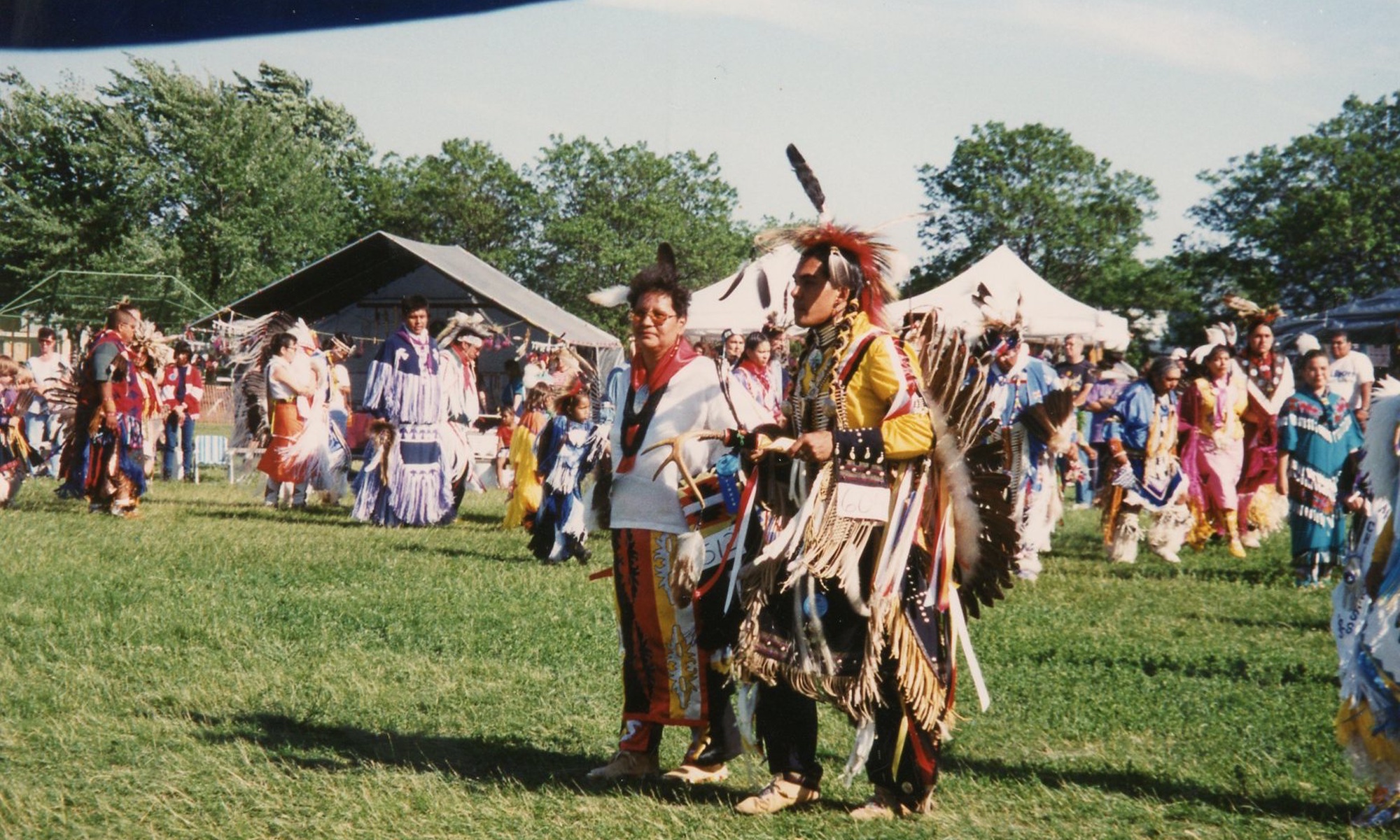
Opening its doors in 1974 in Chicago, Native American Educational Services (NAES) College was the first urban American Indian institution of its kind, a college run by and serving a Native population in a major US city.
Over the years, NAES College expanded to satellite campuses in urban areas and reservations in Minnesota, Wisconsin, Montana, and New Mexico. NAES College served hundreds of students of diverse tribal affiliations, ages, and backgrounds, providing a community-based education grounded in public policy, tribal knowledge, community development and leadership, and more.
While the college stopped offering courses in 2005, NAES College is still alive—still here—its learning and legacy living on across generations, territories, and communities. This site gathers an overview of its history, mission, people and library.
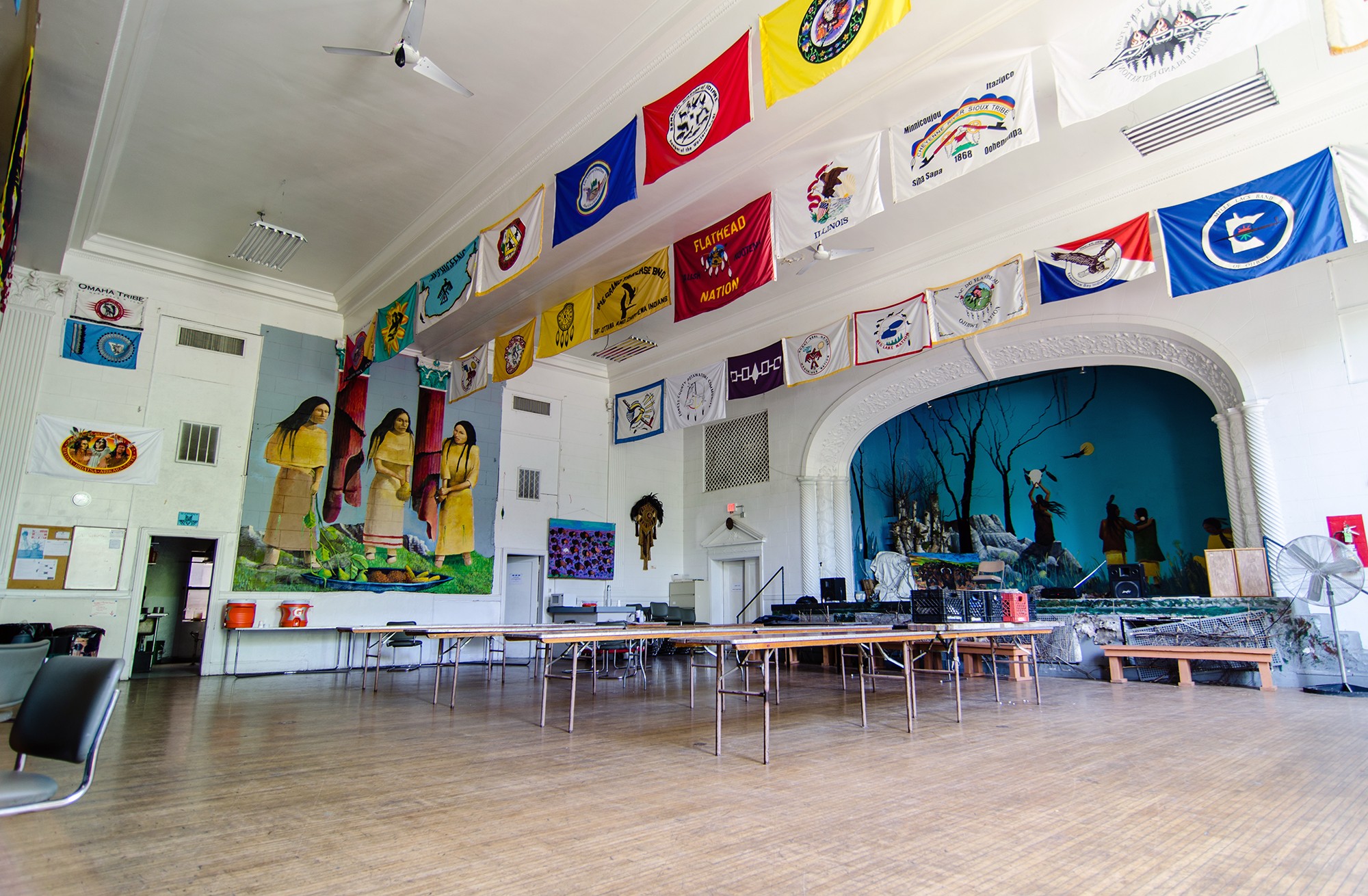
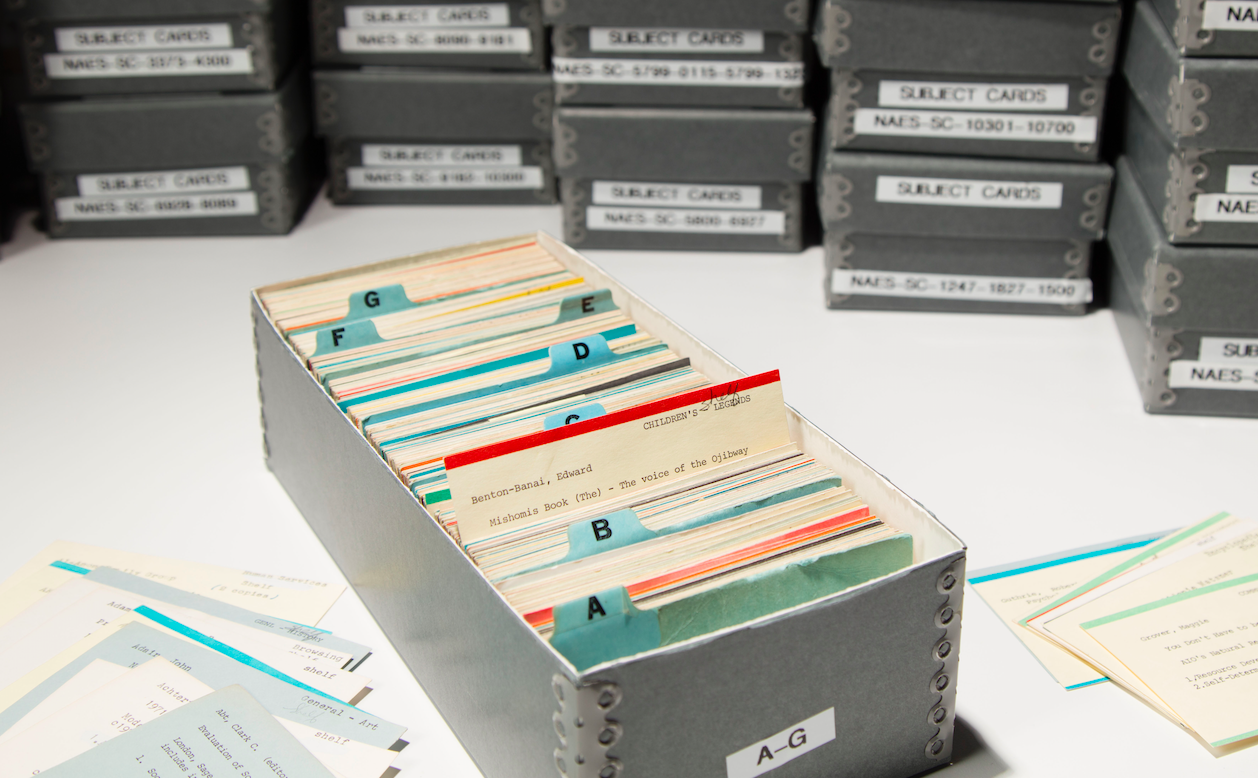
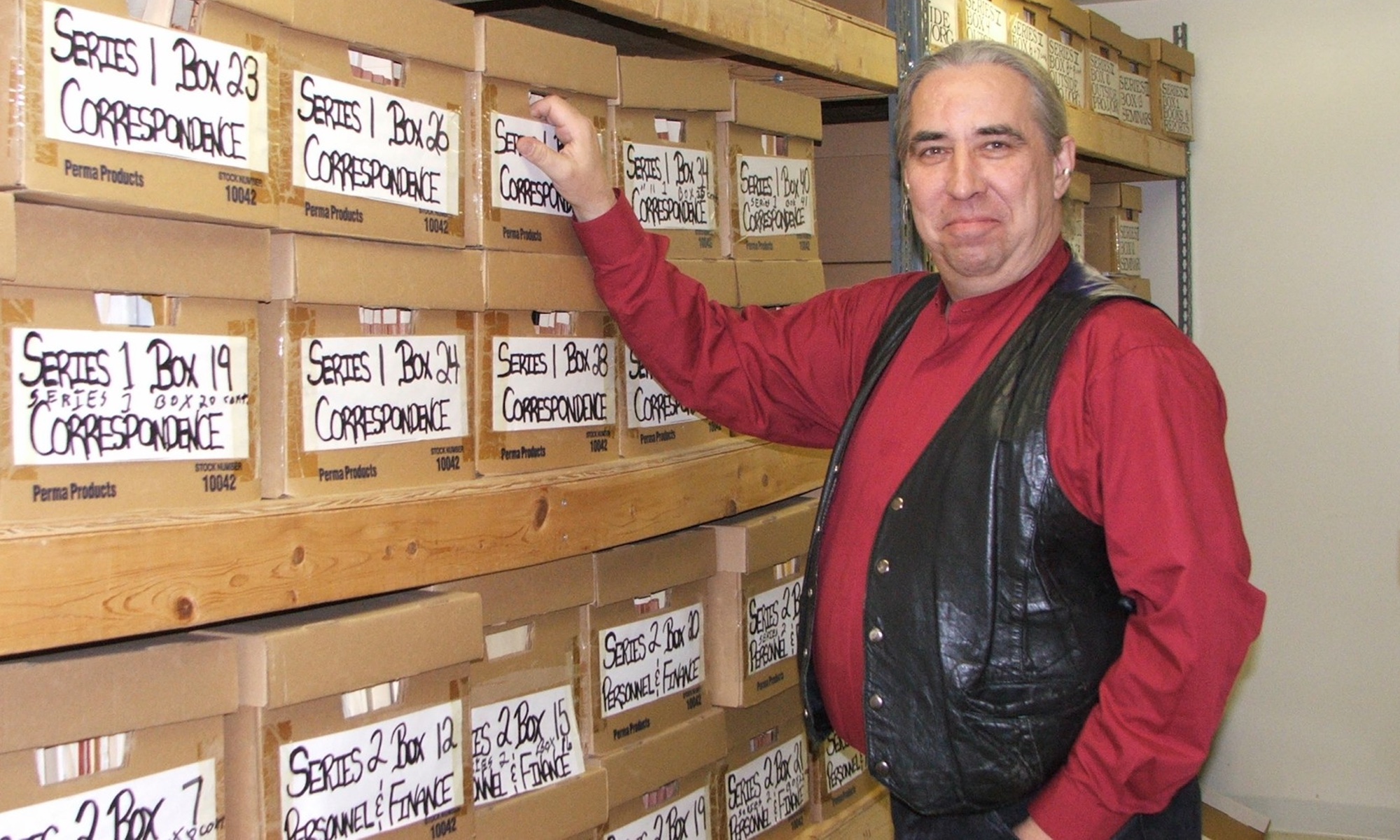
The NAES College library was the heart of the college: a shared space for books, newspapers, media and art, and an archive that cared for the papers of Native scholars, activists and movements. Read more on the Library page.
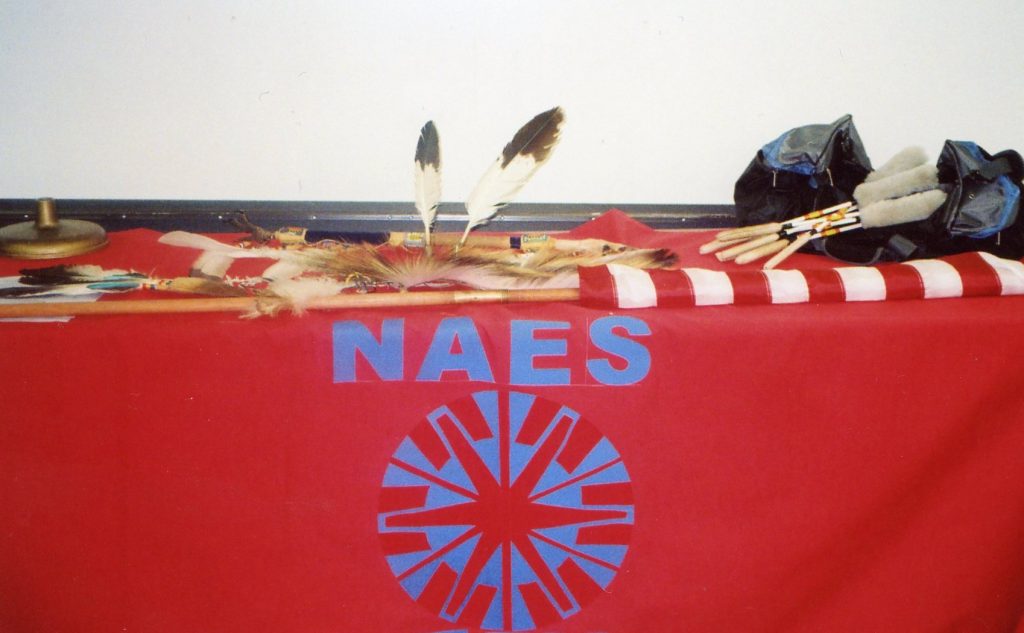
By the early 1970s, many American Indian families had settled in cities such as Chicago, whether through relocation programs, work, or family ties. Mainstream colleges were often distant, costly, and unfamiliar with Native communities' needs. NAES College grew from the belief that higher education could be built inside the community it served rather than offered to that community from outside.
That approach shaped everything: who taught, what was taught, and how learning was recognized. Students were not asked to leave their identities at the classroom door. Their experience, tribal knowledge, and community work were treated as the foundation of study.

NAES College was designed for working adults and community members, many of whom had family and job responsibilities. Instruction was community-based, meaning that classes and projects connected closely to the places where students lived and the issues they faced.
Study areas reflected the college's emphasis on practical, community-minded knowledge. They included:
To learn more about the courses and approach, visit Academics.
Students came from many tribal nations and from a range of ages and backgrounds. Classrooms became places where people learned from instructors and from one another, sharing perspectives across nations, generations, and homelands.
As satellite campuses took shape on reservations and in cities, the college carried this model across regions while staying rooted in local communities. You can read more about the founding vision on the Mission page and the broader story on the History page.

Though classes ended in 2005, the people who taught, studied, and supported NAES College continue to carry its lessons into their work and communities. Graduates and former students have used their education in their families, tribal governments, schools, and organizations.
This site is meant to be a gathering place for that legacy. Explore the People page to meet those connected to the college, browse the Library for documents and memories, or see Resources for further reading.
Chicago · Twin Cities · Minnesota · Wisconsin · Montana · New Mexico